


There’s no sugarcoating the facts: The process of acquiring and utilizing donor blood for transfusions is extensive and time-consuming. No matter how streamlined some blood bank operations may be, the number of moving parts — and the expenses racked up in each phase of the process — can be considerable. But the need for blood has never been higher. Blood donations have dropped by 40% over the last 20 years. In fact, on July 27, 2026, the American Red Cross indicated that blood supplies have dropped to a crisis level for only the second time in its 150 year history.
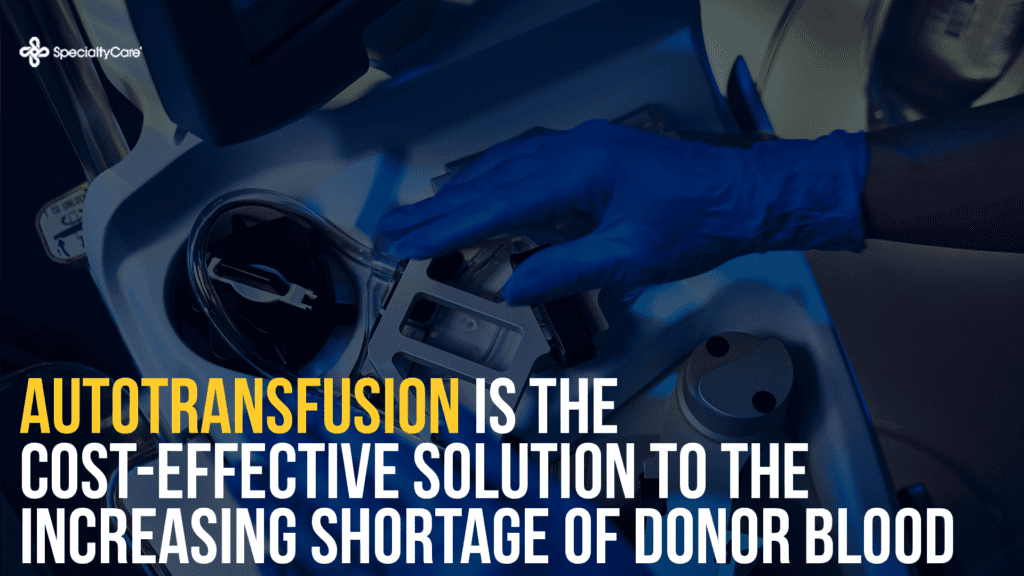
Part of the solution is readily available and cost-effective. Cell saver technology, or autotransfusion, offers a viable alternative to donor blood use during times of major bleeding. It saves both time and money, and the equipment is standard in most major hospitals. Through autotransfusion, a patient’s blood is collected, cleaned, filtered, and returned to the patient.
Saving Time When Timing Is Critical
The drawbacks of donor blood use are well-known. A substantial amount of energy, time, and funds must go into recruiting donors and collecting, screening, separating, storing, matching, transporting, and utilizing or ultimately discarding donor blood. Additionally, the volume of blood needed is difficult to keep up with.
One car accident victim may require up to 100 units of blood. In recent years, the median price for US hospitals to purchase a single unit of leukoreduced RBC blood was $226. That figure does not include storage and transportation costs, how much patients would ultimately be charged for a transfusion, or the cost of unused units that expire and are thrown out.
Autotransfusion (or autologous transfusion) eliminates many of these steps. Hemorrhage is the leading cause of death for trauma patients in the emergency department within the first hour. Autotransfusion can prepare and reinfuse a patient’s blood quickly, even in emergency situations. Within three to five minutes, a patient can begin receiving their own blood — eliminating the delays from cross-matching, transporting, and preparing donor blood for transfusion.
More Key Advantages of Autotransfusion
In addition to being less expensive and more efficient, autotransfusion has a few other key advantages that make it more appealing than donor blood use:
- Lower risk of complications. Because the patient is receiving their own blood back, the risks of transfusion-related infections and immune system reactions are eliminated. Donor blood can heighten a patient’s immune response, but autotransfused (“autologous”) blood does not, allowing for a faster recovery, improved patient outcomes and shorter hospital stays.
- Lower risk of disease transmission. Donor blood can carry the potential for disease, acidosis, sepsis, respiratory failure, thrombotic complications, and other conditions. Autologous blood does not have these risks.
- Better viability. Autologous blood can be washed and filtered immediately or stored for brief periods prior to surgery. Because it is always used fresh, it has better oxygen transfer and reduces excess free hemoglobin. It also maintains regular potassium levels, whereas some donor blood can begin to significantly increase in potassium after 21 days. Red cells from donor blood may also become distorted in shape and can contribute to lower pH levels.
- Reduces unnecessary transfusions. Donor blood transfusion often relies on estimated blood loss and fixed transfusion thresholds, which can lead to over‑transfusion. In contrast, autotransfusion replaces only the patient’s actual red blood cells lost during hemorrhage, reducing unnecessary exposure to donor blood and the costs associated with inappropriate transfusions, which some studies estimate occur up to 60% of the time.
Improve Efficiency and Outcomes with Autotransfusion
By expanding the use of autotransfusion services, your hospital can save time, reduce costs, and improve patient outcomes. Lower risk of infection and disease transmission reduces length of stay and improves outcomes. At SpecialtyCare, we’re experts at autotransfusion — with 125 autotransfusion technicians supporting hospitals across 15 states. We’re available 24/7/365 to support your use of cell saver technology and help you maintain a high standard of care. The increasing problem of blood shortages has a safe solution, and we’re ready to assist you. Get in touch with us today to learn more!