
Innovations in healthcare have outpaced the generalized sterile processing department capabilities. Rapid advancement in surgical procedures…
We sat down with Jessica Campbell, SpecialtyCare’s Manager of the Credentialing Department to learn about the…
How can we as surgical neurophysiologists improve a patient’s experience and surgeon satisfaction? At SpecialtyCare, it…

Perfusion services are in high demand as the number of cardiac surgeries increases and the uses…

We all know that disease can be transmitted in many ways in a hospital, but some…
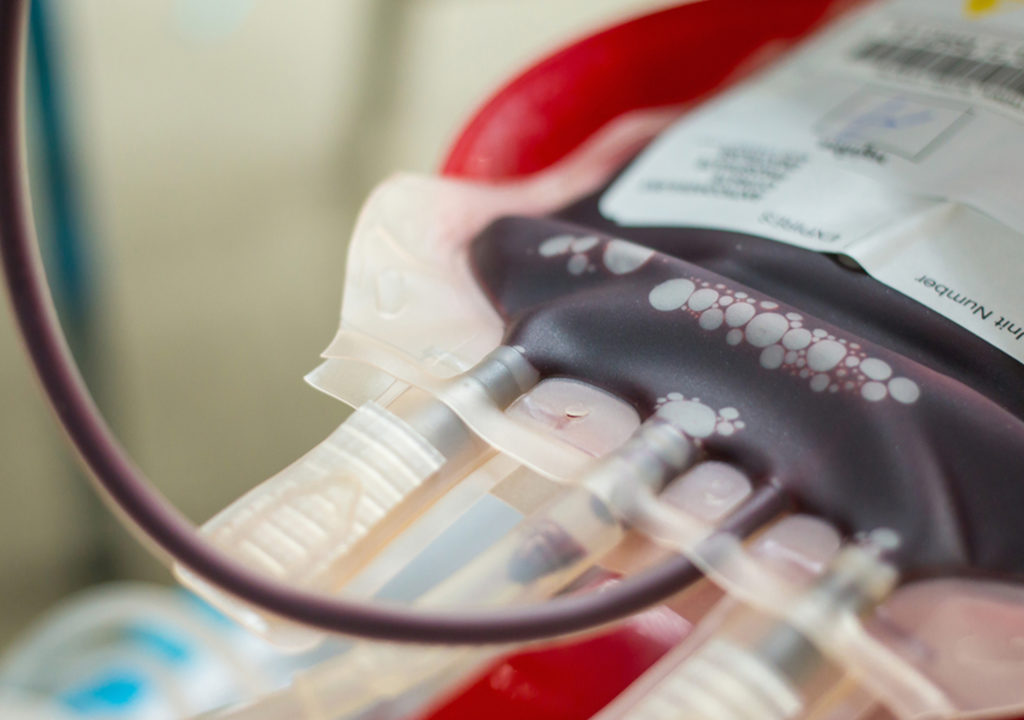
On November 3rd, we were honored to accept the 2017 Delaware Valley Patient Safety & Quality Award from The Health Care Improvement Foundation for our submission, “Implementation of a Patient Blood Management Program,” which outlines the integration of patient blood management (PBM) as a daily, embedded quality improvement strategy at Thomas Jefferson University Hospitals (TJUH). The project was evaluated on evidence of significant and sustained improvement in quality, patient safety, innovation, and the potential for replication in other healthcare organizations. As an outsourced provider of PBM implementation, we are thrilled to share in TJUH’s success and we applaud its leadership and organizational commitment to improvement.

The OR Manager Conference is the premier executive-level event for OR directors and OR business managers concerned with management of the surgical suite, and is dedicated to providing industry solutions and leading best practices. With 1,400 executive OR professionals in attendance, the focus this year was to improve efficiency and affectivity with sessions on patient safety, infection control, OR flow, staff motivation, and leadership. All of these topics were discussed in keynotes, in sessions, in networking events, and in the exhibit hall in the context of preparing strong OR leaders for the unpredictable climate we’re currently experiencing in healthcare.

“We have an enormous problem that is often not beginning on street corners; it is starting in doctor’s offices and hospitals in every state in our nation.” This quote comes from the recent interim report by the Commission on Combating Drug Addiction and the Opioid Crisis. Since 1999, the number of opioid overdoses in the U.S. has quadrupled. Over that same period, the amount of prescription opioids sold has quadrupled as well. With a substantial portion of the population experiencing chronic pain and more than 650,000 prescriptions dispensed every day, the medical profession must employ every available strategy to address the tragic human and economic costs of opioid misuse, abuse, and dependence. One such tactic is to avoid the need for prescription opioids in the first place, or to limit a patient’s pain management need to a very short duration.

Communication in the OR is vital to patient health and safety. Late starts, delays and interruptions, decreased surgeon satisfaction, tension in the OR, and clinical errors often can be attributed to miscommunication or the lack of communication. The effect on patients can be devastating, resulting in readmission, a life-long chronic condition, or worse. The Joint Commission and other organizations routinely list communication failure as one of the most frequent causes of sentinel events, but many “never events” and other problems can be avoided with structured processes and an organizational commitment to prioritize communication.

Parts of the United States are experiencing record-breaking heat this summer, and yet, icebergs are everywhere! Icebergs—the classic metaphor for situations wherein most of the substance (and risk) hide below the surface—have been used to discuss topics as varied as psychology, homelessness, big data, influence, safety, Hemingway, and school performance. Risks hidden below the surface are prevalent in healthcare, too. When teams assess their clinical outcomes, some factors are clear and measurable. These parts of the iceberg are above the surface, and hospitals increasingly are held accountable for them. Other outcomes, or factors that affect outcomes, are lurking within the complexity of hospital operations but are demonstrably significant in the future health of the patient.